
01 · 4 guides
Fundamentals
What polymer coatings are, how they cure and why they protect.
Independent polymer research platform
In-depth, plain-English guides to polyurea, polyurethane and protective coatings, and a clear path for anyone ready to start spraying them.
Learning tracks
01 · 4 guides
What polymer coatings are, how they cure and why they protect.
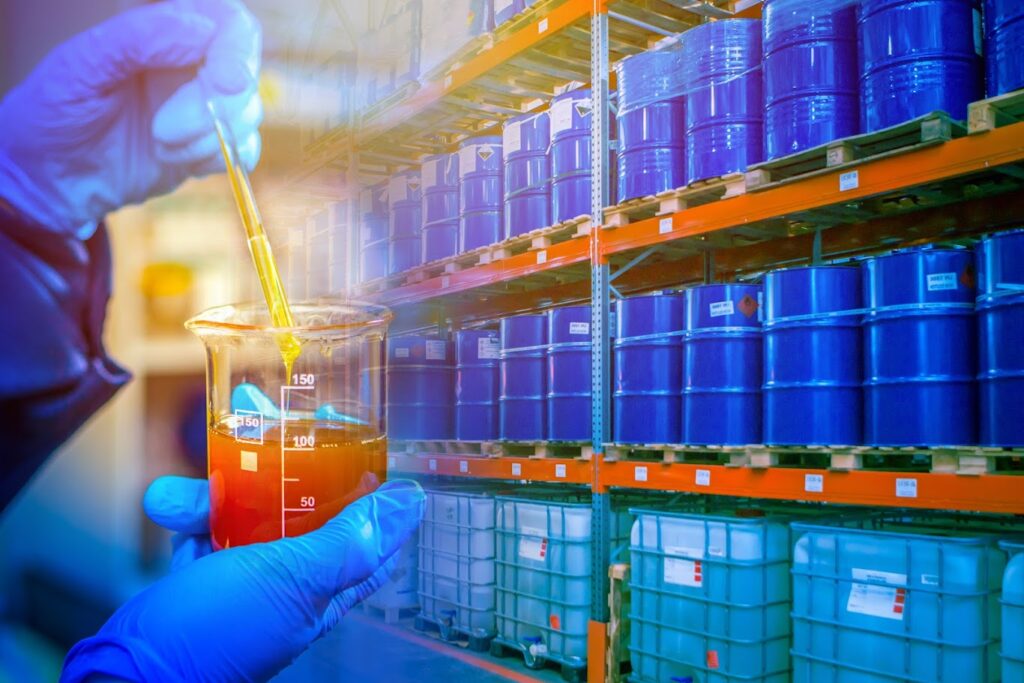
02 · 3 guides
Isocyanates, amines, polyols and the reactions that build the film.
03 · 4 guides
Spray technique, equipment and where these systems get used.
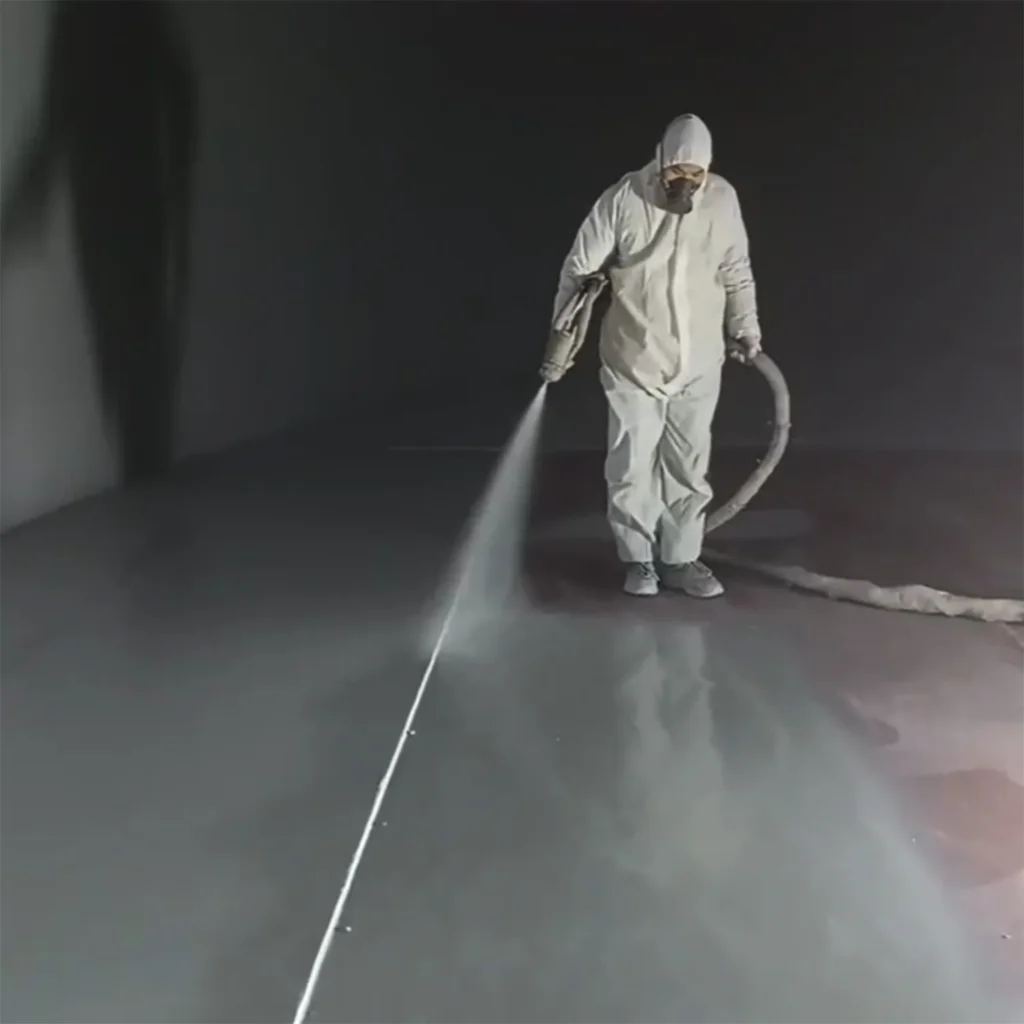
04 · 2 guides
Corrosion, failure analysis and what makes a coating last.
05 · 3 guides
Glossary, FAQs and technical resources to keep open in a tab.
Compare chemistries
Pick a coating to see how it stacks up. Relative ratings for typical systems; real products vary, so always check the data sheet.
Amine + isocyanate. Gels in seconds, sprayed with plural-component equipment.
Read the full comparisonFrom the journal
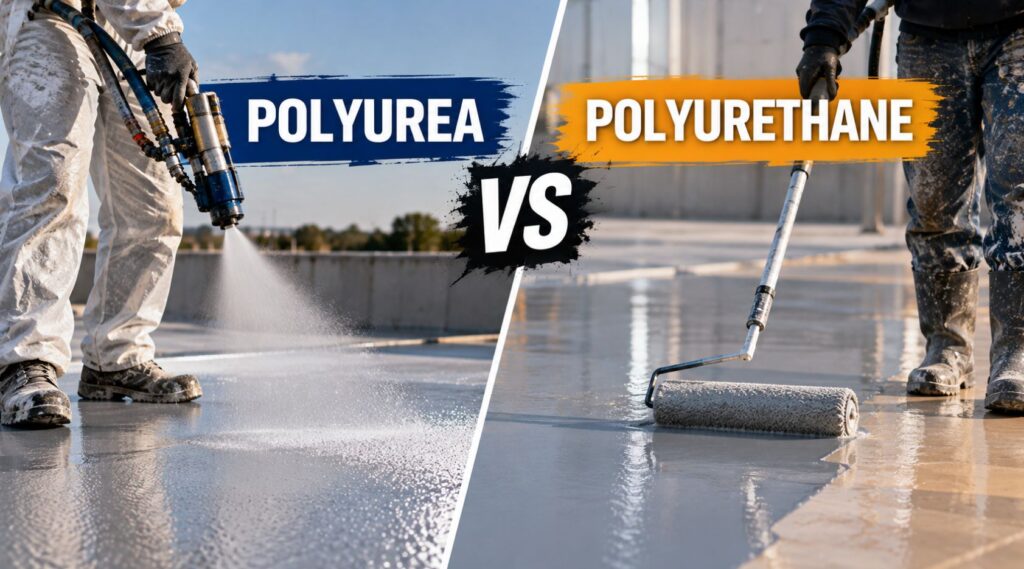
Walk onto a job site and ask five people to explain the difference between polyurea and polyurethane coatings, and you'll probably get five slightly different answers, some of them wrong. It's an easy mix-up.
Read article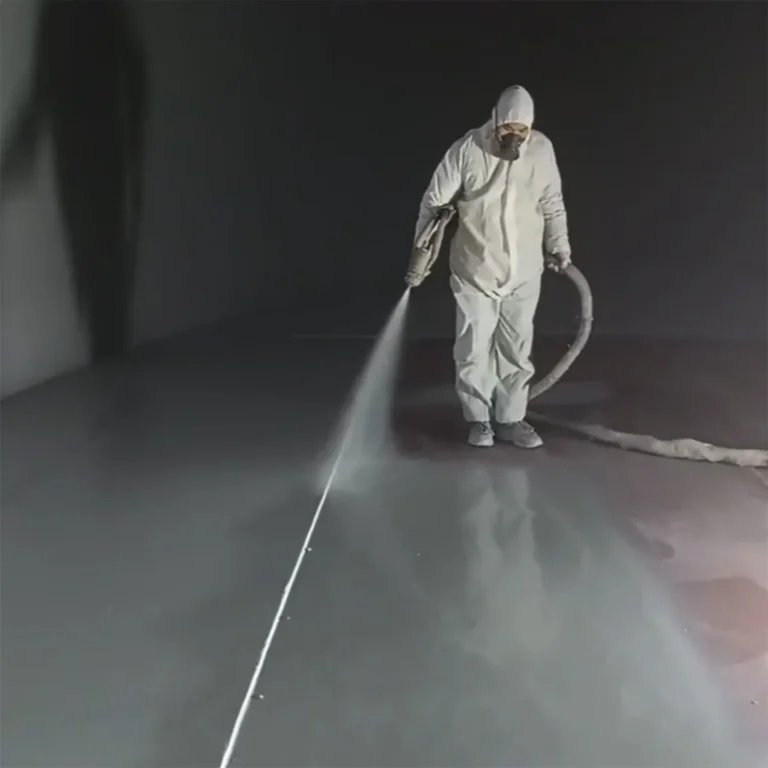
Polyurea floor coating vs epoxy garage floor: which wins in 2025? We compare hot tire resistance, cure time, cost, and 10-year durability…
Read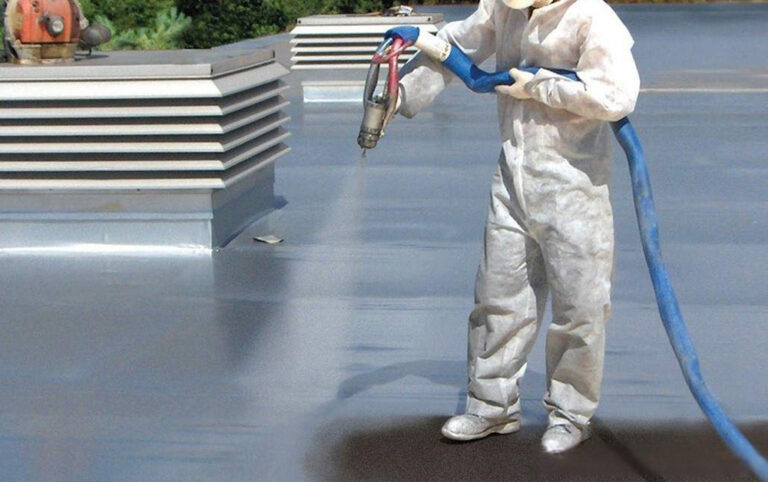
Discover why spray polyurea waterproofing is replacing torch-down membranes and sheet systems on commercial projects.
Read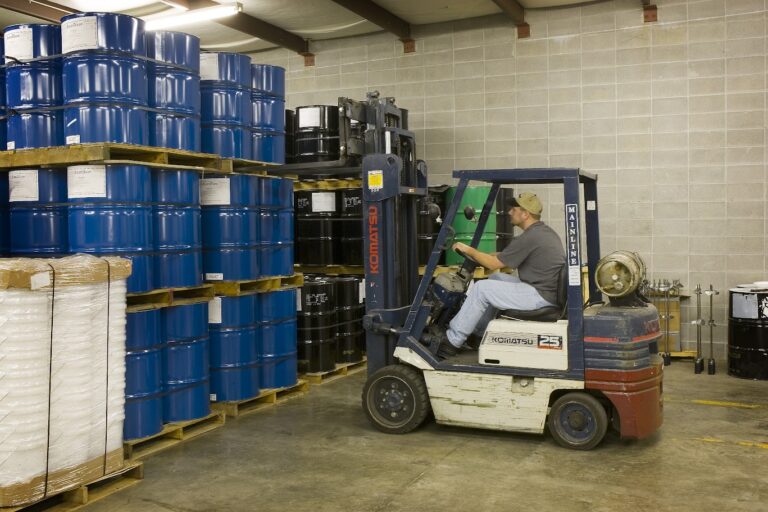
Wondering whether polyurea coating cost vs epoxy is worth it? We break down the real installed prices, 10-year total cost of ownership, and…
Read
The applicator path
Speak the language
Quick answers
Straight answers from our polymer coatings FAQ.
See every questionBoth materials start with an isocyanate component. The difference lies in the second reactive component: polyurethane uses a polyol (a molecule with hydroxyl groups), while polyurea uses an amine (a molecule with nitrogen-hydrogen groups). The amine-isocyanate reaction is much faster than the polyol-isocyanate reaction, giving polyurea its characteristically rapid cure. Polyurea is generally tougher, more moisture-tolerant during application, and faster-curing than polyurethane. Polyurethane is often more workable and available in a wider range of application methods including brush and roller.
Service life depends heavily on the application, environment, and maintenance regime rather than the chemistry alone. On properly prepared substrates in moderate exposure conditions, high-quality polyurea coatings have demonstrated service lives of 20 years or more. In more aggressive environments — marine splash zones, chemical immersion, severe UV exposure — service life is shorter, and the specification of UV-stabilized topcoats, increased film thickness, and regular inspection programs is important to maximizing longevity.
While polyurea can be applied directly to some substrates without primer, priming is strongly recommended in most applications. Primers serve several functions: they seal porous substrates (preventing outgassing through the polyurea film), improve adhesion by providing a chemical bridge between the substrate and the polyurea, and protect the prepared surface during the window between surface preparation and topcoat application. Always confirm primer selection with the polyurea system manufacturer to ensure chemical compatibility.
Polyurea can be applied in cold weather conditions that would be problematic for many other coating systems, because its fast cure rate reduces the window during which the wet film is vulnerable to moisture or temperature-related defects. However, substrate temperature must remain above the dew point to prevent condensation, and the spray equipment must be set to heat the components to ensure proper viscosity and reaction. Very cold substrates (below 0°C) require special attention to component heating, equipment maintenance, and adhesion testing to verify acceptable results.
Surface preparation requirements depend on the substrate type and the application. Steel substrates typically require abrasive blast cleaning to near-white metal (SSPC-SP10) with a surface profile of 2 to 4 mils, followed by soluble salt testing and priming. Concrete requires shot blasting or mechanical scarification to remove laitance and open the surface, plus priming with a penetrating epoxy or moisture-tolerant primer. All substrates must be clean, dry, and free of contamination. Inadequate surface preparation is the leading cause of premature coating adhesion failure.
Polyurea contains isocyanates — a class of compounds that require careful handling because of their potential to cause respiratory sensitization. Spray application requires a supplied-air respirator (SAR) and appropriate personal protective equipment including chemical-resistant gloves and eye protection. Engineering controls including exclusion zones and ventilation are standard practice during application. After cure, polyurea is chemically inert and poses no ongoing health hazard. Safety data sheets for specific products provide detailed handling requirements and emergency procedures.