Spray Polyurea Waterproofing: Why Contractors Are Ditching Traditional Methods
Discover why spray polyurea waterproofing is replacing torch-down membranes and sheet systems on commercial projects. A breakdown of the chemistry, performance advantages, application requirements, and ROI for contractors making the switch.

Key takeaways
- Spray polyurea is a two-component, 100% solids elastomeric coating applied using high-pressure, heated plural-component spray equipment.
- Before explaining why polyurea wins the comparison, it is worth being specific about what traditional systems do poorly.
- The single biggest barrier to entry for spray polyurea waterproofing is equipment cost.
- The most common failure mode in spray polyurea projects is not the membrane itself — it is the interface between the membrane and the substrate.
On this page

Spray Polyurea Waterproofing: Why Contractors Are Ditching Traditional Methods
The shift from torch-down membranes and liquid-applied acrylics to spray polyurea is accelerating across commercial construction
There is a moment on every roofing or waterproofing job when a contractor looks at the clock, the weather forecast, and the spec sheet and starts doing the mental math. How long is this going to take? Will this coating hold up? When will I need to come back for maintenance?
For decades, those questions drove most contractors toward the same familiar choices: torch-applied modified bitumen, sheet membranes, or liquid-applied acrylic or urethane coatings. These systems work well enough that changing habits felt like unnecessary risk.
The numbers on spray polyurea waterproofing, however, have gotten compelling enough that a growing segment of commercial roofing and waterproofing contractors are making the switch. Here is what is driving that shift.
What Is Spray Polyurea Waterproofing?
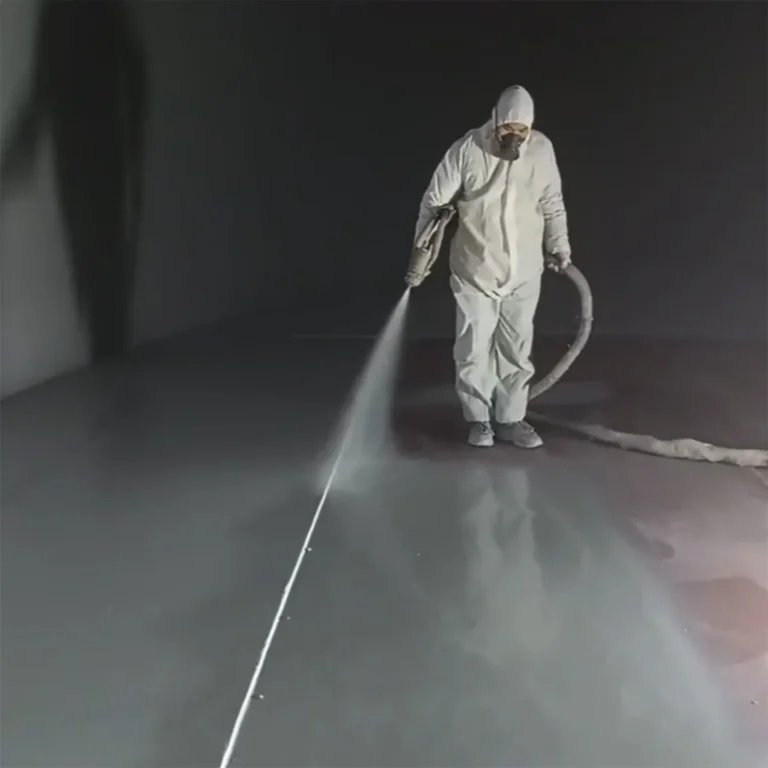
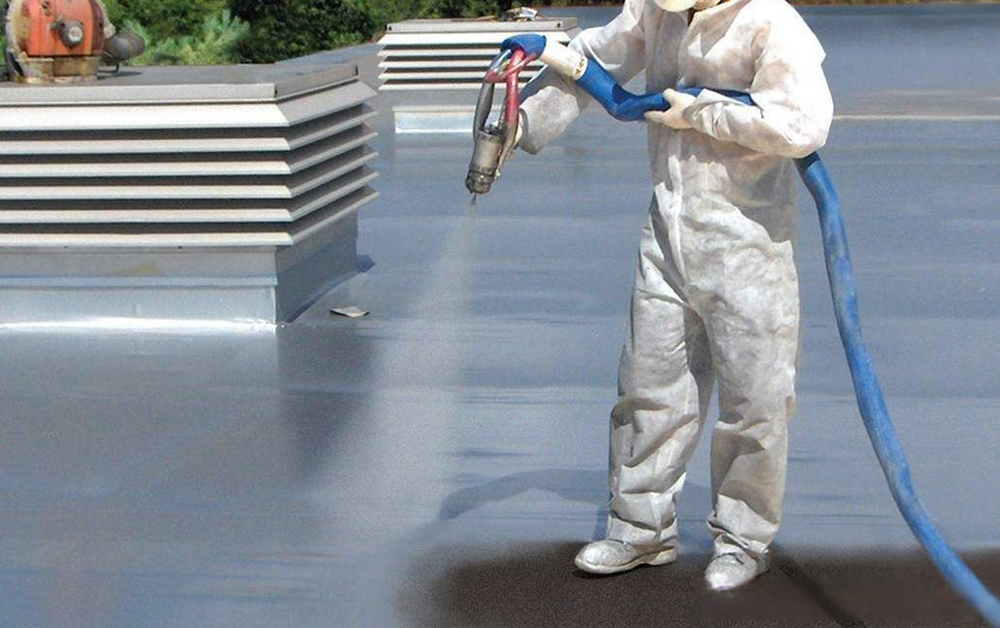
Spray polyurea is a two-component, 100% solids elastomeric coating applied using high-pressure, heated plural-component spray equipment. The A-component is an isocyanate prepolymer; the B-component is a blend of amine-terminated polyethers and chain extenders. When these two streams meet at the spray tip, they react almost instantaneously — gel times measured in seconds, tack-free times under a minute in most formulations.
The result is a seamless, flexible membrane that bonds tenaciously to concrete, metal, wood, existing membranes, and most other construction substrates. Film thicknesses from 40 mils to 250 mils or more can be applied in a single pass. Key physical properties include elongation (typically 200-600%), tensile strength (1,500-4,000+ psi), and Shore A hardness (tunable from 40 to 90 depending on formulation).
The Problems With Traditional Waterproofing Systems
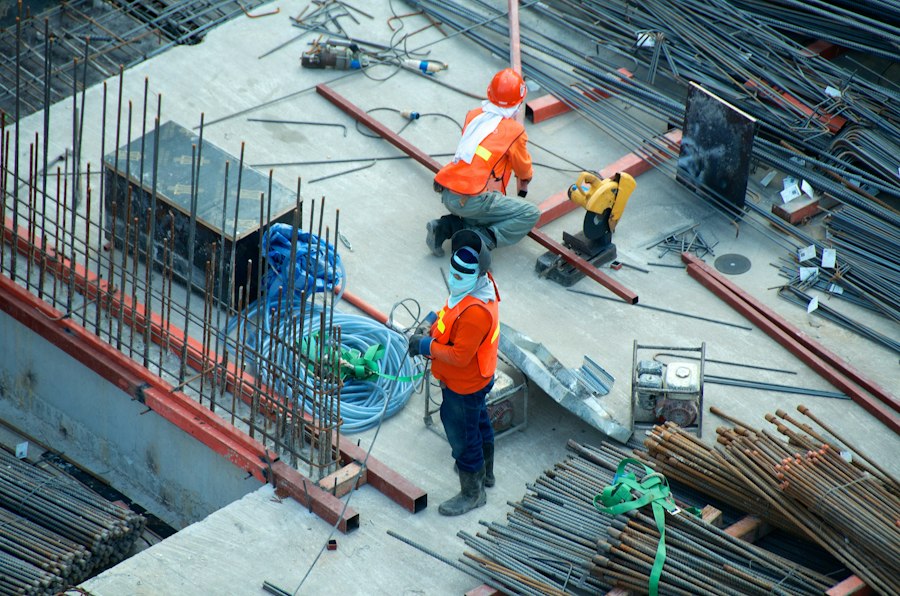
Before explaining why polyurea wins the comparison, it is worth being specific about what traditional systems do poorly. The problems are not always obvious until you are three years into a warranty claim.
Torch-Applied Modified Bitumen
Torch-down membrane systems have served commercial roofing well for decades, but they come with significant operational constraints. Open-flame application introduces fire risk on occupied buildings or near HVAC penetrations. Laps and seams are the primary failure points, and every penetration requires hand-worked details that depend heavily on installer skill. In cold climates, torch membranes become brittle over time and lose their capacity to seal moving joints.
Liquid-Applied Acrylic and Urethane Coatings
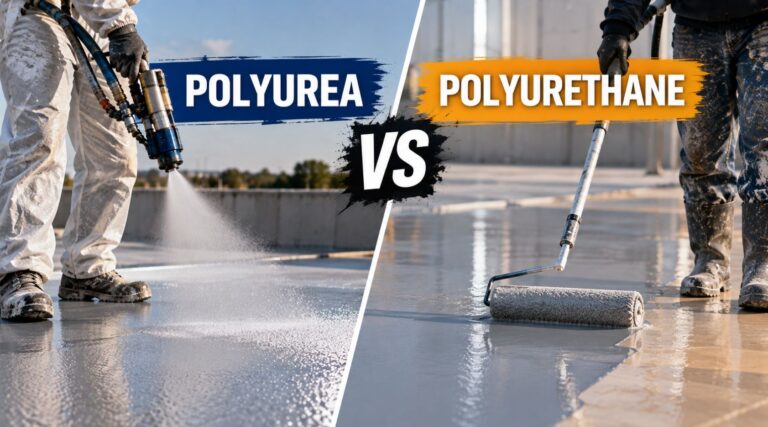
These systems are easier to apply — roller or airless spray, no specialized equipment needed — but they carry real limitations. Most liquid-applied acrylics require multiple coats with dry times between passes, meaning a typical application takes two to four days. Solvent-based urethanes have VOC restrictions in many jurisdictions. Single-component moisture-cure urethanes are versatile, but their elongation and tensile values typically trail aromatic polyurea significantly.
Sheet Membranes (EPDM, TPO, PVC)
Sheet membranes deliver consistent, factory-controlled thickness — a genuine advantage — but seams remain the system’s Achilles heel. EPDM seam tape and TPO heat-welded seams both require meticulous installation under controlled conditions. In a large roofing project, even a small seam failure percentage translates to substantial warranty liability and expensive roof cuts to find the leak source.
How Spray Polyurea Solves These Problems
- No seams or laps: Spray polyurea is applied as a continuous liquid that solidifies in place. Every penetration, corner, and drain gets the same seamless film as the field of the roof. There are no membrane terminations to hand-work.
- Fast return to service: A 60-mil polyurea waterproofing membrane reaches foot traffic in 30 minutes and full cure in 24 hours. Acrylic systems need 24-72 hours between coats plus cure time. That schedule difference matters enormously on occupied buildings.
- Moisture insensitivity: Most polyurea formulations can be applied to concrete with up to 12% moisture content. Recent rain or humid conditions that halt moisture-cure urethane work do not stop polyurea application.
- Wide application temperature range: Polyurea systems work at substrate temperatures from approximately 0 degrees F to 120 degrees F, well beyond the limits of water-based alternatives.
- Elongation that survives structural movement: A polyurea membrane with 400% elongation stretches with thermal cycling, live loads, and differential settlement, then returns to its original dimensions without cracking.
Where Spray Polyurea Waterproofing Dominates
Below-Grade Waterproofing
Foundation walls, parking structure decks, and buried infrastructure present the most demanding waterproofing challenges. Total inaccessibility after backfill means the system has to perform the first time. Spray polyurea applied to proper concrete surface profiles delivers monolithic, self-flashing waterproofing that outperforms sheet membranes in long-term hydrostatic resistance in most independent test data.
Plaza Decks and Occupied Roof Terraces
Plaza deck waterproofing beneath pavers or overburden is notoriously difficult to get right. Failure means tearing up finished hardscape. Polyurea’s combination of thickness, elongation, and seamless continuity makes it the dominant specification in new luxury residential and commercial high-rise construction for these applications.
Secondary Containment and Industrial Floors
Chemical plants, fuel storage facilities, and food processing operations all require reliable spill containment. Spray polyurea provides excellent chemical resistance, seamless coverage over complex geometries, and rapid cure that minimizes production downtime. No sheet membrane can match these attributes in demanding industrial environments.
The Equipment Investment Reality
The single biggest barrier to entry for spray polyurea waterproofing is equipment cost. A quality proportioner system capable of heated, high-pressure plural-component application runs from $18,000 to $45,000+ depending on configuration. Add hose, gun, and ancillary equipment and a complete rig can reach $60,000 to $80,000. For contractors already applying spray polyurethane foam, the equipment overlap is substantial, since the same proportioner handles both materials with different settings.
The productivity payoff is real. A two-person crew with proper equipment can apply 1,000 to 4,000 square feet of polyurea waterproofing per day depending on substrate complexity. That means faster project completion and significantly better margins on larger jobs.
Specifying Spray Polyurea Waterproofing Correctly
The most common failure mode in spray polyurea projects is not the membrane itself — it is the interface between the membrane and the substrate. Correct specification requires attention to three variables: concrete surface profile, primer selection for the specific substrate, and a system with documented test data for the exposure conditions. For potable water contact, require NSF 61 certification. For exposed roofing, specify aliphatic formulations or UV-stable topcoats to prevent yellowing.
The Bottom Line
Spray polyurea waterproofing has been commercially available since the late 1980s. What has changed is equipment reliability, formulation breadth, contractor familiarity, and the accumulation of real-world performance data from projects now in their second and third decade of service. Contractors who have invested in polyurea equipment and training consistently report higher margins, faster project completion, and fewer warranty callbacks than their traditional-method counterparts.
If you are evaluating spray polyurea systems for your next waterproofing project, Radiant Polymers works with contractors at every stage of the specification and application process. Contact our technical team to discuss system selection, primer compatibility, and application training resources.
Technical data referenced in this article reflects published manufacturer specifications and independent test laboratory results. Always verify system performance claims with current technical data sheets before specifying for a specific application.
Was this helpful?
Thanks, that helps us decide what to write next.

Written by
Radiant Polymers covers polymer chemistry, protective coatings and the practical side of applying them.