
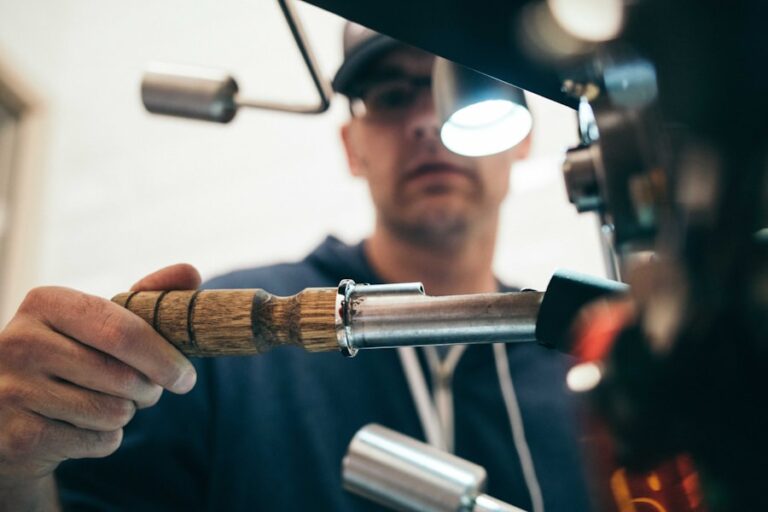
Truck bedliners
The classic entry point: repeat retail demand, a small footprint and quick job turnover.
For future applicators
Polyurea and polyurethane coatings protect truck beds, floors, roofs, tanks and bridges. Find out which market fits you, what it costs to start and how fast a rig can pay for itself.
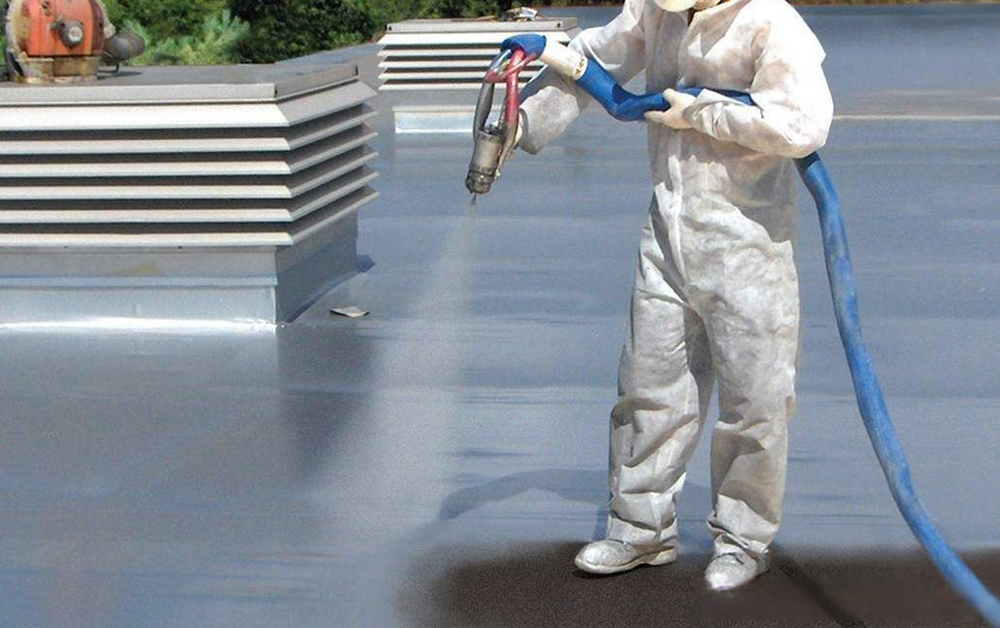
Where the work is
Most applicators start with one market and add others once the equipment is paid for.
The classic entry point: repeat retail demand, a small footprint and quick job turnover.
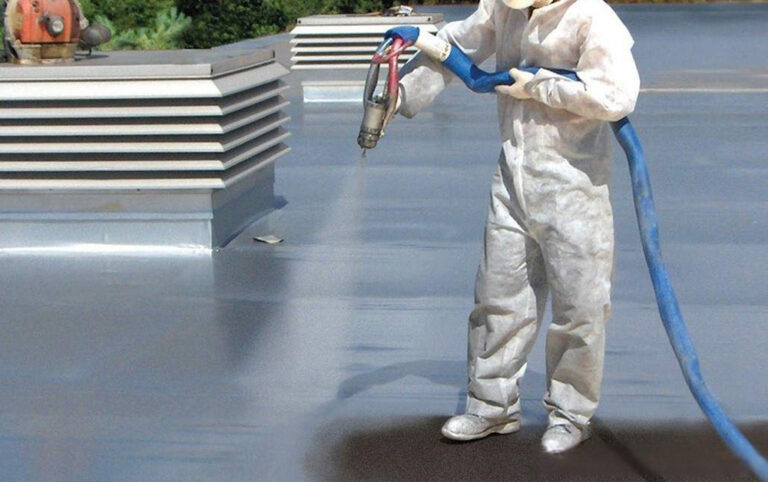
Fast return-to-service beats epoxy for homeowners who cannot lose a weekend.
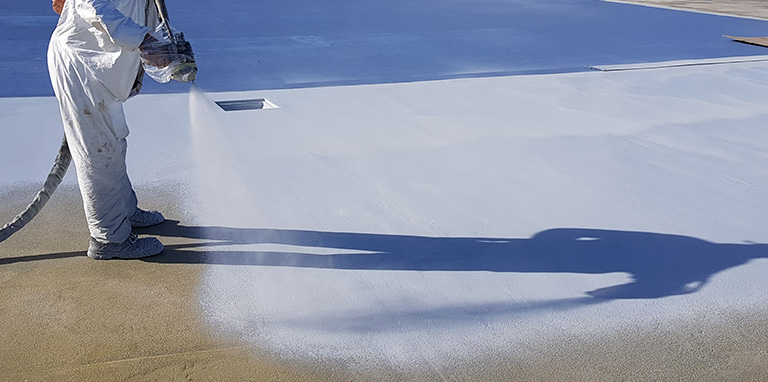
Seamless membranes for flat roofs, decks, foundations and planters.
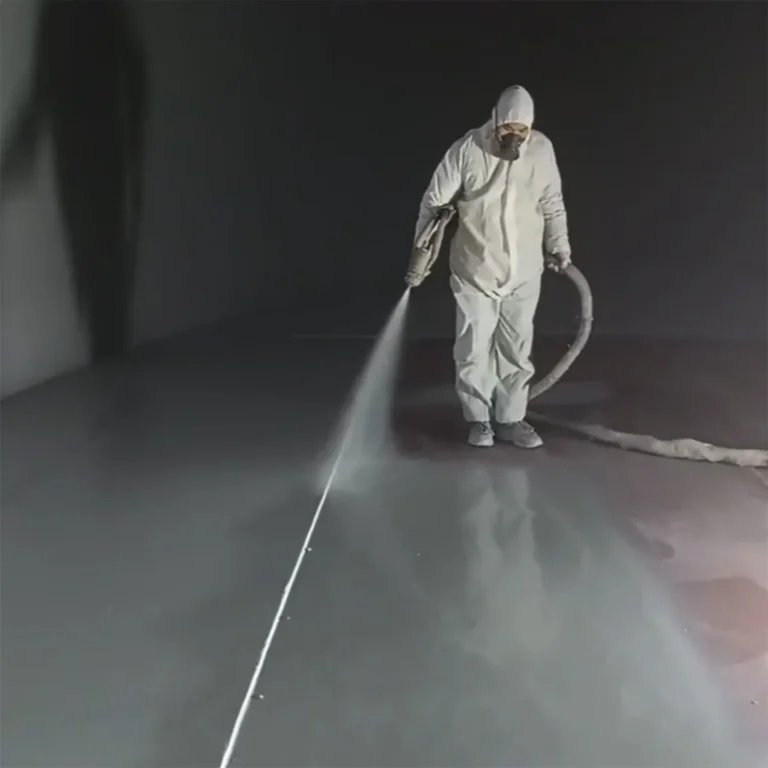
Secondary containment, potable water linings and chemical tanks for industrial clients.

Bridges, pipe, manholes and steel structures where corrosion is the enemy.
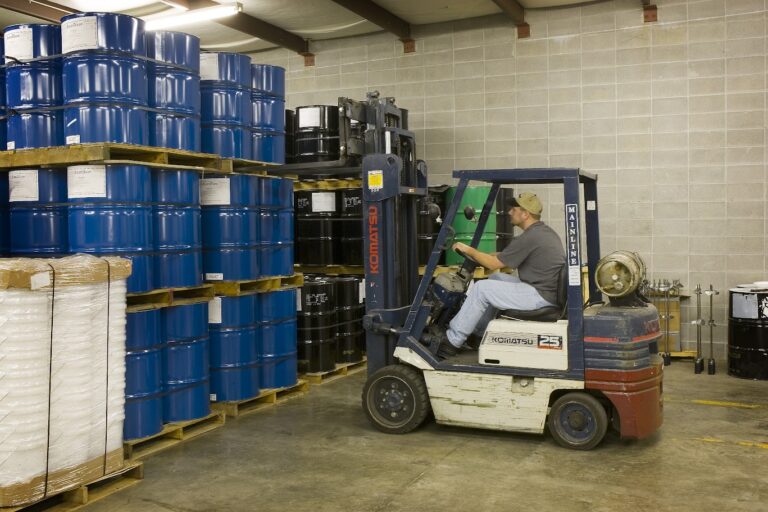
Pairs naturally with coatings and shares much of the same plural-component equipment.
Step 1
Answer five questions and we will match you with a starting market, the type of rig to look at and what to learn first.
Spray readiness quiz
1 of 5
Step 2
Drag the sliders or pick a preset. Everything recalculates as you go.
Illustrative only. Replace the defaults with real equipment quotes and local pricing.
Check these numbers with a specialistWhat is in a rig
Core
The heart of the rig. Heats the A (isocyanate) and B (resin) sides and pumps them at a fixed ratio and high pressure.
Delivery
Keeps both sides at temperature all the way to an impingement-mix spray gun, where they meet for the first time.
Supply
Drum pumps feed the proportioner; a compressor with dryers supplies clean, dry air to the gun and pumps.
Power
Mobile rigs carry a generator sized for the proportioner and hose heat. Fixed shops wire it in.
Safety
Fresh-air respirator, full suit, gloves and eye protection. Non-negotiable when spraying isocyanates.
Prep
Grinders, blasters and moisture meters. Most coating failures trace back to prep, not chemistry.
Step 3
Tell us a little about you. A coatings specialist will put together equipment options, training paths and realistic numbers for your market.
A coatings specialist will follow up with equipment options, training paths and the numbers for your market.
While you wait: read the spray technique guideGetting started FAQ
Still deciding? These come up in almost every first conversation.
Ask your own questionNo, but you do need proper training. Plural-component spraying is a skill: ratio, temperature, pressure and surface preparation all have to be right, and hands-on training with the equipment you will run is the fastest way to get there. Many successful applicators came from unrelated trades.
It depends on the market and the rig. A complete plural-component setup (proportioner, heated hose, spray gun, transfer pumps, air supply and protective equipment) commonly runs into the tens of thousands of dollars, and trailer-mounted rigs with generators and compressors cost more. Use the startup calculator on this page with real quotes to see your payback period.
It is safe when it is done correctly. The isocyanate side of the system is a respiratory and skin sensitizer, so applicators spray with supplied-air respiratory protection, full skin coverage and ventilation, and follow the product safety data sheet. Training covers this before you ever pull the trigger.
Yes. Truck bedliners and small floor jobs are common part-time starting points because a single job is short and the demand is local. Many applicators start that way and add roofing, waterproofing or industrial work once the rig is paid off.
Bedliners and garage floors are easiest to start and sell. Roofing, waterproofing, tank linings and secondary containment pay more per square foot but need more experience, insurance and specification knowledge. Most businesses do best by picking one market first and adding others later.
Polyurea cures in seconds, tolerates moisture and temperature swings and is the usual choice for bedliners, roofing and industrial linings, but it requires plural-component spray equipment. Polyurethane is slower and more forgiving and can often be rolled. Many rigs spray both.